All businesses have different processes depending on the goals, teams and customers. However, conventional automation does not account for those differences and prevents flexibility in the operation. AI-driven workflow customization is a solution to this problem because it can adjust workflows according to the specific needs of the organization. Personalized operations integrate people, information and intelligent tools into repeatable systems that increase consistency, productivity, and long-term business performance.
Understanding Custom AI Workflows
Custom AI workflows go beyond mere automation, structuring entire business operations around goals. Customized workflows do not replace individual tasks, but rather integrate planning, doing, working together, and optimizing into a single system. Each department has its own priorities, and flexibility is critical to sustainability. A tailored workflow enables intelligent agents to work in accordance with organizational objectives and maintain current organizational practices. Relevant context can be shared across each stage with the help of specialized agents, minimizing the need for separate tools. These intertwined processes also enhance visibility across projects as every action is part of a bigger operational process. Reusable workflows improve consistency while maintaining the flexibility to make changes going forward. Organizations benefit from structured processes that evolve and change with priorities instead of repeatedly creating automation. When working collaboratively, Converge AI brings together separate agents, common knowledge and context of the operation in an interconnected process that can drive tangible business results while avoiding unnecessary complexity.
Designing Business Processes with Shared Intelligence
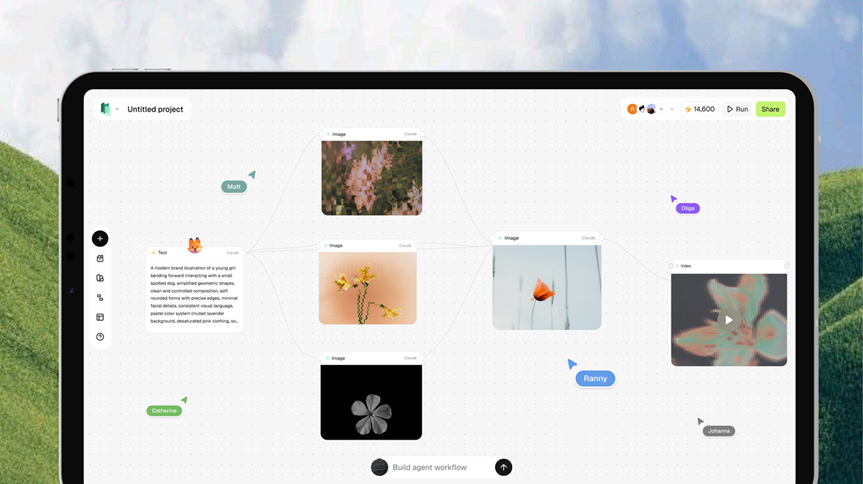
Business workflows need both expertise and institutional knowledge to be successful. Shared organizational intelligence retains valuable information across projects, and employees contribute experience. This equilibrium ensures that valuable knowledge is not lost as roles and duties change among teams. Shared context also enables intelligent systems to have a better understanding of past decisions and to operate at the same level. Collaboration benefits as departments can share access to common information, rather than individual files. Context-aware automation helps to coordinate by providing relevant information at the right moments in the workflow. Teams waste less time looking for resources, and more time doing work that matters. Knowledge that is connected also eliminates redundant work and improves inter-departmental communication. With consistent information sharing, you have reliable processes that are effective as your organization grows and the needs of your operations grow more complex.
Building Tailored Applications with Enter Pro
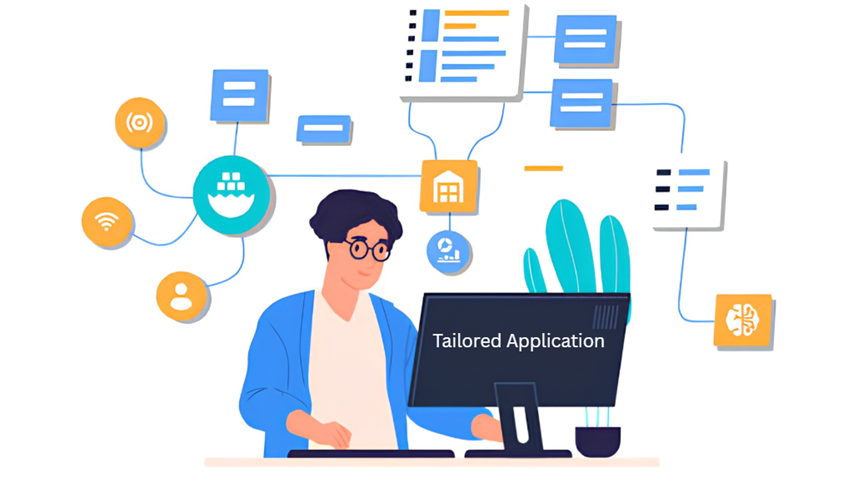
Business applications are more valuable when they represent real business needs rather than typical templates. Business descriptions can be translated into functional solutions, with modern development platforms making it easier to create applications. Visual editing tools enable quick customization without interfering with current workflows. Layouts, interfaces, workflows and integrations are all flexible throughout development, allowing for constant improvements as business needs change. Custom code may be used to add functionality as well when specialized needs arise. This mix provides for accessibility and sophisticated technical customization. Applications can be tested, refined, published and scaled with integrated infrastructure for future growth. In this development environment, Enter Pro simplifies planning, coding, visual editing, deployment, and continuous enhancement—all in a single, connected workspace—while minimizing the complexity across the application lifecycle.
Expanding Creative Workflows with Framia Pro
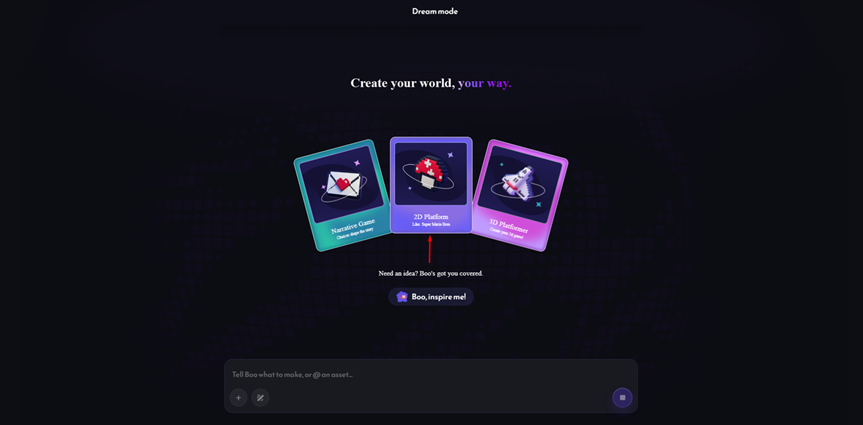
Creative production is becoming a part of the day-to-day operations of a business, instead of being a separate entity. Integrated creative workflows can be leveraged in marketing campaigns, product launches, training materials, and promotional assets. Framia Pro facilitates these activities by creating all kinds of images, video clips, promotion material and marketing content with the same operational environment and with a branded look. Incorporating consistent branding, specialized creative agents will produce scripts, storyboards, visual assets, voiceovers and finished videos. Smart editing tools enhance photos, video, music, and design elements all from a single canvas. Independent layer controls mean that there is no need to rebuild entire projects to make adjustments. Creative automation is also built-in, eliminating switching back and forth between various editing platforms. The creative content becomes integrated into the wider workflows of operation, and organizations gain visual consistency while production speeds up across various business initiatives.
Essential Components of Effective AI Workflows
There are a number of key components that come together in effective AI workflows, enhancing consistency, scalability, and operational efficiency. These components combined form processes that are structured and flexible in response to changing business needs. Combos also shows how reusable project structures can help to make complex creative development easier by using connected workflows.
- Workflow Planning: Define objectives before automation begins and improve process clarity across teams.
- Reusable Skills: Save successful workflow patterns and apply them across future projects efficiently.
- Shared Assets: Centralize valuable project resources to minimize duplicated work and improve consistency.
- AI Agent Collaboration: Assign specialized responsibilities intelligently while strengthening workflow coordination naturally.
- Integrated Development: Connect coding, testing, deployment, and maintenance through streamlined technical execution.
- Creative Automation: Produce visual content during operational workflows while maintaining consistent brand identity.
Adapting AI Workflows for Different Business Functions
Every department functions differently, and customized AI workflows can support the different functions. Marketing teams effectively manage the complete marketing process—including creatives, campaign planning, asset management and publishing—using integrated processes. The ability to plan, code, test, deploy, and maintain software within a single environment can be advantageous for software development. Consistent information and reusable assets, as well as organization knowledge, are shared across projects, enhancing internal collaboration. Operational management is also more structured as approvals, documentation, reporting, scheduling, and resource allocation are all tied into repeatable systems. Rather than having stand-alone automation in each department, organizations create integrated operational systems that facilitate multiple functions at once. This adaptability allows companies to adjust workflows as priorities shift, maintaining consistency in operations during daily tasks.
Building AI-Native Operations for Sustainable Growth
Operational systems need to scale without adding any unnecessary admin in order to support sustainable growth. Intelligent workflows minimize repetitive manual tasks by integrating planning, execution, collaboration and monitoring into one operational process. With quicker execution, businesses can adapt swiftly to evolving market circumstances and uphold quality standards. Another benefit of shared operational intelligence is that decision-making is supported as the relevant context is always available throughout the various stages of the workflow. As organizations grow, structured automation can help to manage growing workloads without a corresponding rise in operational overheads. Connected processes increase productivity by eliminating duplicate work, delays and simplifying collaboration between departments. Scalability and flexibility in operational systems are essential for long-term sustainability, allowing for growth and changes as the organization expands and business needs evolve.
Best Practices for Long-Term Workflow Optimization
The key to long-term workflow optimization is not just to implement it once, but to continually refine it. Growing companies continuously review their repetitive processes to look for ways to boost efficiency and collaboration. Organizational resources should be shared, and they should be kept up to date so that all departments have access to the same information. Additionally, cross-functional collaboration is enhanced when operational knowledge is easily shared within business units rather than kept in silos. As workflows develop, the built-in AI capabilities grow more significant, as the interconnected systems gather operational context over time. Periodic audits can be effective in identifying processes that have become obsolete and retaining effective workflows. Incorporating small changes regularly is often more beneficial to the operation in the long run than large changes that disrupt the operation. Sustainable optimization is about adaptability, organizational learning and continuous improvement in all phases of the business.
Tailored AI processes establish more than just automation; they are operational systems that mirror the requirements of the actual business rather than generic automation patterns. A flexible workflow design enhances collaboration, consistency and facilitates business growth across multiple functions at scale. Those that continually improve the processes that are connected strengthen operational foundations and become more agile in response to shifting priorities and new business opportunities.