

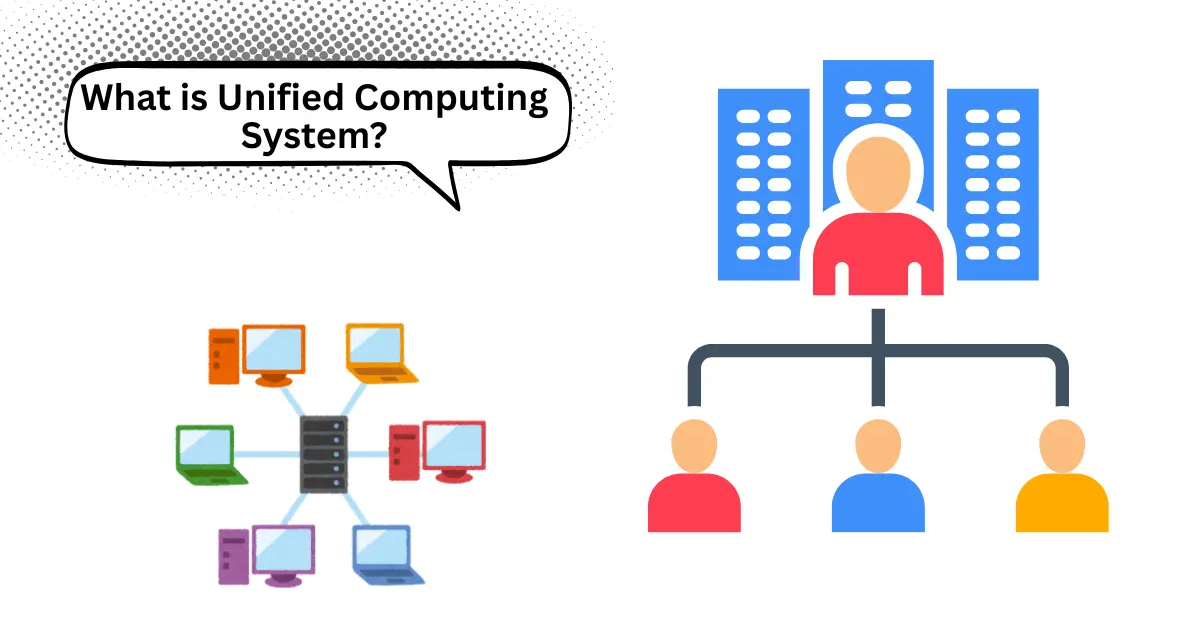
Did you know that most modern businesses use a single system to manage their servers, storage, and networks? This system is called a Unified Computing System (UCS). It is designed to make IT operations simple, faster, and more reliable. By combining all essential computing parts in one place, UCS helps companies save time and reduce costs while keeping their data safe.
What is Unified Computing System?
It is a system that combines servers, storage, and networking into one central platform. It is designed to simplify the management of data centers by connecting all computing resources in a single system. There are tools that allow IT teams to control servers, storage, and network from one place.
How Unified Computing System Works
It is a system that brings together servers, storage, and networking into one central platform. It is designed to make IT management simple and fast. There are tools that allow administrators to control all parts of the system from one place. It is automated to handle tasks efficiently and reduce errors.
How It Works:
- It connects servers, storage, and network through a single management tool.
- It uses centralized software to control and monitor all components.
- It allocates computing resources where they are needed most.
- It allows easy addition of new servers or storage without downtime.
- It automates routine tasks like updates and backups.
- It improves performance by balancing workloads across servers.
- It keeps systems secure and reliable with fault management features.
Components of Unified Computing System
It is made up of several key parts that work together to manage servers, storage, and networking in one system. Each component has a specific role to keep the system running efficiently and make management simple for IT teams.
Here are 10 Components of UCS
- Servers (Blade servers and Rack servers)
- Networking (LAN and SAN connections)
- Storage (Unified storage systems)
- Management Software (UCS Manager or similar tools)
- Fabric Interconnects (Connects servers and network)
- I/O Modules (Handles input and output data)
- Chassis (Houses blade servers)
- Adapters (Network and storage adapters for servers)
- Power Supplies (Provides reliable power to components)
- Cooling System (Fans and heat management for servers)
Types of Unified Computing System
There are different types of Unified Computing Systems that are designed to meet various business needs. Each type focuses on combining servers, storage, and networking in a single, easy-to-manage platform.
Here are 10 Types of Unified Computing System:
- Blade-Based UCS (Uses blade servers for compact design)
- Rack-Based UCS (Uses rack servers for flexible deployment)
- Hyper-Converged UCS (Combines computing, storage, and virtualization in one)
- Modular UCS (Scalable and customizable modules for large data centers)
- Cloud-Integrated UCS (Designed to work with cloud services and hybrid environments)
- Enterprise UCS (Built for large businesses with heavy workloads)
- Virtual UCS (Focuses on virtual machines and server virtualization)
- Data Center UCS (Optimized for high-performance data center operations)
- Small Business UCS (Simpler setup for small or medium businesses)
- Hybrid UCS (Mix of physical and virtual resources in one system)
Uses of Unified Computing System
It is used in many areas to make managing servers, storage, and networks easier and faster. They are helpful for businesses to improve performance and reduce costs.
Here are 10 Uses of Unified Computing System:
- Use in Data Centers
- Supports cloud applications and services
- Runs business software like ERP and databases
- Hosts multiple virtual machines on fewer servers
- Handles heavy workloads and complex tasks
- Keeps data safe and recoverable
- Controls servers and storage from one place
- Easily adds more resources as needed
- Simplifies management with automation tools
- Reduces hardware and operational expenses
Advantages and Disadvantages of Unified Computing System
It is a system that combines servers, storage, and networking into one platform. It is designed to make management simple and efficient. Like any system, it has advantages and disadvantages that businesses should know before using it.
10 Advantages of Unified Computing System:
- Simplified management of servers, storage, and network
- Reduces hardware and operational costs
- Improves performance and speed of applications
- Scalable to add more servers or storage easily
- Centralized control with management software
- Supports virtualization for multiple virtual machines
- Reduces downtime and increases system reliability
- Efficient use of space with blade or rack servers
- Quick deployment and setup of new resources
- Better monitoring and automation for IT tasks
10 Disadvantages of Unified Computing System:
- High initial cost for setup and hardware
- Requires trained IT staff to manage the system
- Dependency on specific vendors (like Cisco UCS)
- Complex setup for small businesses
- May need frequent software updates and maintenance
- Limited flexibility with certain hardware components
- Hardware failure can affect multiple systems at once
- Requires proper cooling and power supply management
- Upgrading can be expensive and time-consuming
- Not always cost-effective for very small businesses
Conclusion
Unified Computing System is a powerful solution that brings servers, storage, and networking together in one platform. It is designed to make managing IT resources simple, fast, and efficient. There are many advantages, such as saving costs, improving performance, and allowing easy scaling for growing businesses. However, it also has some challenges, like high initial costs and the need for skilled staff. Overall, it is a reliable system that helps businesses run their data centers, cloud services, and applications smoothly.
FAQs about What is Unified Computing System
Here are some questions about what is a unified computing system for beginners students.
What is a Unified Computing System (UCS)?
It is a system that combines servers, storage, and networking into one central platform to make management simple and efficient.
Who uses Unified Computing System?
It is used by businesses, IT teams, and data centers to manage large computing resources easily.
Why is UCS important?
It is important because it simplifies IT operations, improves performance, and reduces hardware and operational costs.
What are the main components of UCS?
There are servers, networking, storage, management software, fabric interconnects, I/O modules, chassis, adapters, power supplies, and cooling systems.
What types of Unified Computing System are there?
There are blade-based, rack-based, hyper-converged, modular, cloud-integrated, enterprise, virtual, data center, small business, and hybrid UCS.
Where is UCS used?
It is used in data centers, cloud computing, enterprise applications, virtualization, high-performance computing, backup, and disaster recovery.
What are the advantages of UCS?
It is easy to manage, scalable, cost-effective, reliable, fast, supports virtualization, and reduces downtime.
What are the disadvantages of UCS?
It has high initial costs, requires trained staff, depends on specific vendors, and can be complex for small businesses.
Can small businesses use UCS?
Yes, there are UCS solutions designed for small or medium businesses, but cost and complexity should be considered.
How does UCS help in cloud computing?
It is designed to manage servers and storage efficiently, making it easier to run cloud applications and services.
