

A Master’s in Assisted Reproductive Technology prepares graduates for advanced roles in fertility science and clinical practice. This postgraduate program focuses on Assisted Reproductive Technology, IVF laboratory skills, and modern reproductive medicine. Students gain training in embryology, infertility diagnostics, and ART laboratory procedures. Universities offer this degree under titles like MSc Assisted Reproduction or Master’s in IVF Embryology.
Core Areas of Study on Assisted Reproductive Technology
Assisted Reproductive Technology (ART) is a medical field that helps people have babies when they face fertility problems. It studies how eggs and sperm work, how embryos grow, and how doctors use special lab techniques to create pregnancy. It also includes patient care, safety, and ethical guidelines to ensure treatments are safe and responsible.
1. Human Reproduction Basics
- Study of Assisted Reproductive Technology principles
- Basics of Human Assisted Reproduction
- Understanding Human Reproduction Biology
- Simple concepts of Human Embryology
- Overview of Reproductive Physiology
- Introduction to Gamete Biology
- Learning about Gametes and Embryos
2. Laboratory and Clinical Embryology
- Practical training in IVF Embryology
- Process of In Vitro Fertilization
- Hands-on ICSI Training
- Skills in Embryo Culture and Blastocyst Culture
- Techniques of Embryo Micromanipulation and Gamete Micromanipulation
- Steps of Oocyte Retrieval and Embryo Transfer
- Basic Semen Analysis practice
- Training inside an Embryology Laboratory and IVF Laboratory
- Development of strong ART Laboratory Skills
3. Cryopreservation and Advanced Techniques
- Study of Cryopreservation Techniques
- Practical Oocyte Vitrification
- Embryo Cryopreservation methods
- Sperm Cryopreservation basics
- Use of Embryo Biopsy
- Knowledge of Preimplantation Genetic Testing (PGS PGT-A)
- Advanced skills in Assisted Reproductive Techniques
4. Infertility and Clinical Science
- Understanding Male Infertility
- Understanding Female Infertility
- Study of Infertility Diagnostics
- Basics of Reproductive Endocrinology and Fertility Endocrinology
- Role of Ovarian Stimulation
- Overview of Infertility Research
- Learning about Assisted Conception
5. Andrology and Reproductive Medicine
- Study option in Andrology Master’s
- Practice in an Andrology Laboratory
- Training in Clinical Andrology
- Subjects in Reproductive Medicine Degree
- Path toward Postgraduate Reproductive Medicine
- Advanced learning in Clinical Reproductive Science
6. Biotechnology and Innovation
- Study of Biotechnology of Reproduction
- Advanced Reproductive Biotechnology
- Use of Time-Lapse Imaging
- Methods for Embryo Quality Assessment
- Learning about ART Innovation
- Basics of Stem Cells in Reproduction
- Role of Epigenetics in ART
Specialized Study Assisted Reproductive Technology
Specialized study in ART teaches advanced ways to help people have babies. It covers fertility treatments, lab work, embryo care, and safe medical practices. Students learn how to support couples and individuals in achieving pregnancy.
- Andrology Masters: This program focuses on male fertility. Students learn about sperm health, semen testing, and male infertility problems. It prepares them to work in andrology labs and fertility clinics.
- Clinical Embryology Masters: This degree trains students to handle eggs and embryos in a lab. They learn embryo culture, embryo transfer steps, and lab safety. It prepares them for a clinical embryologist role.
- Masters in IVF Embryology: This program teaches full IVF procedures. Students learn fertilization methods, embryo care, and freezing techniques. It builds strong hands-on lab skills.
- Reproductive Medicine Degree: This degree focuses on fertility treatment and hormone care. Students study causes of infertility in men and women. It supports careers in fertility clinics and hospitals.
- Masters in Human Fertility: This program explains how human reproduction works. Students learn about egg and sperm development and pregnancy processes. It builds a strong base in fertility science.
- Postgraduate Reproductive Medicine: This advanced program suits doctors and health workers. It improves knowledge of modern fertility treatments. It supports better patient care in clinics.
- Reproductive Biotechnology: This course links biology with lab technology. Students learn advanced IVF tools and genetic testing methods. It focuses on innovation in fertility science.
- Biomedical Sciences ART: This program mixes medical science with assisted reproduction. Students study lab research and new fertility techniques. It prepares them for research and lab roles.
- Veterinary ART Specialization: This option focuses on animal reproduction. Students learn breeding support and embryo freezing for animals. It suits those interested in veterinary fertility science.
- Master’s in Fertility Care: This program trains students to guide and support fertility patients. It covers treatment steps and clinic coordination. It suits nursing and patient-care roles.
- Hybrid Embryology Degree: This degree offers both online learning and lab practice. Students study theory from home and complete hands-on training in labs. It provides flexible study options.
- Global ART Programs: These programs offer international exposure. Students learn global fertility standards and clinic practices. It opens worldwide career opportunities.
Clinical Exposure and Practical is these Best Training
Clinical exposure and practical training in ART give students hands-on experience in real fertility clinics. They learn to work with patients, handle lab equipment, and assist in treatments safely. This training helps students gain the skills needed to become confident and skilled ART professionals.
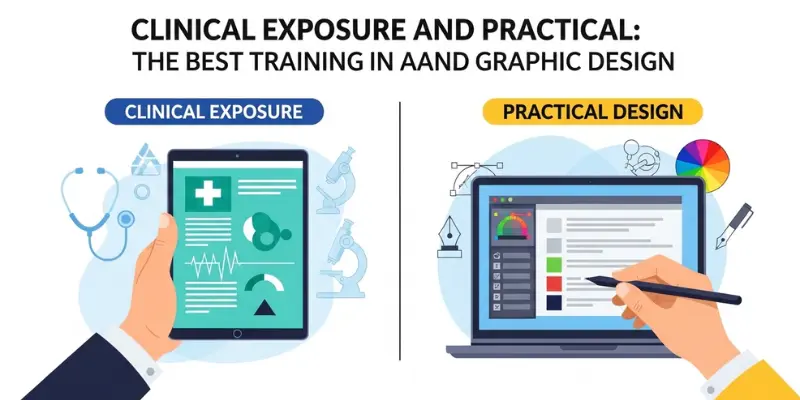
Here are 7 best clinical exposure training included:
- ART Clinic Training
- IVF Hands-On Training
- IVF Technician Training
- ART Internship
- Reproductive Research Project
- Reproductive Laboratory Management
- Hybrid Learning
1. ART Clinic Training
Students observe real fertility treatments and help with patient care. They learn how IVF and other assisted reproductive procedures are done step by step.
2. IVF Hands-On Training
Practice in the lab includes egg retrieval, embryo culture, and embryo transfer. Students gain confidence in handling gametes and embryos safely.
3. IVF Technician Training
Learn to operate lab equipment and perform daily IVF tasks. Training ensures accuracy and proper lab workflow.
4. ART Internship
Work in a clinic or lab under supervision. Students experience daily operations, patient care, and team coordination.
5. Reproductive Research Project
Conduct small research studies to improve lab skills and understand assisted reproduction better.
6. Reproductive Laboratory Management
Learn how to organize lab work, maintain quality, and follow safety rules. Students see how labs function efficiently.
7. Hybrid Learning
Combines online theory with practical lab sessions. This flexible approach helps students balance learning with hands-on practice.
How to Apply in Assisted Reproductive Technology
The details below show how you can apply in Assisted Reproductive Technology and learn by observing the process.
- Choose a Master’s in Assisted Reproductive Technology program.
- Check eligibility. Most programs need a degree in biology, biotechnology, medicine, or related field.
- Prepare academic documents. Keep transcripts and degree certificates ready.
- Write a simple statement of purpose. Explain career goals in fertility science.
- Update CV with lab work, research, or healthcare experience.
- Arrange recommendation letters from teachers or supervisors.
- Check English language requirement. Prepare IELTS or similar test score if required.
- Fill out the online application form carefully.
- Upload all required documents in correct format.
- Pay the application fee.
- Attend interview or entrance test if university requires.
- Wait for admission decision email.
- Accept offer letter within deadline.
- Apply for visa if studying abroad.
- Pay tuition fee and confirm enrollment.
Conclusion
A Master’s in Assisted Reproductive Technology prepares students for a strong career in fertility science and clinics. It combines IVF lab skills, embryo handling, patient care, and research experience. Graduates gain knowledge in human assisted reproduction, lab management, and modern fertility treatments. This degree opens career paths as Clinical Embryologists, IVF technicians, fertility clinic specialists, and lab managers, making it ideal for anyone who wants to work in reproductive medicine.
FAQs About Master’s in Assisted Reproductive Technology
Many people ask questions about what a Master’s in Assisted Reproductive Technology is. Here is a complete explanation for students, including how to apply and what Assisted Reproductive Technology involves.
What is a Master’s in Assisted Reproductive Technology?
It is a postgraduate degree that teaches students about fertility science, IVF, embryology, and assisted reproduction techniques.
Who can apply for this program?
Graduates in biology, medicine, biotechnology, nursing, or related fields can apply. Some programs also accept healthcare professionals.
What skills will I learn?
Students learn IVF procedures, embryo culture, gamete handling, cryopreservation, lab management, and patient care in fertility clinics.
How long is the program?
Most programs last 1–2 years, depending on the university and whether it includes internships or research projects.
Is there practical training?
Yes, students get hands-on training in IVF labs, ART clinics, and supervised internships to practice real procedures.
What career options are available?
Graduates can become Clinical Embryologists, IVF technicians, fertility clinic specialists, and reproductive lab managers.
Can I do research during the program?
Yes, most programs include reproductive research projects to improve lab skills and study assisted reproductive techniques.
Are there online or hybrid options?
Some programs offer hybrid learning with online theory and practical lab sessions, providing flexibility for students.
